
Tech Talk
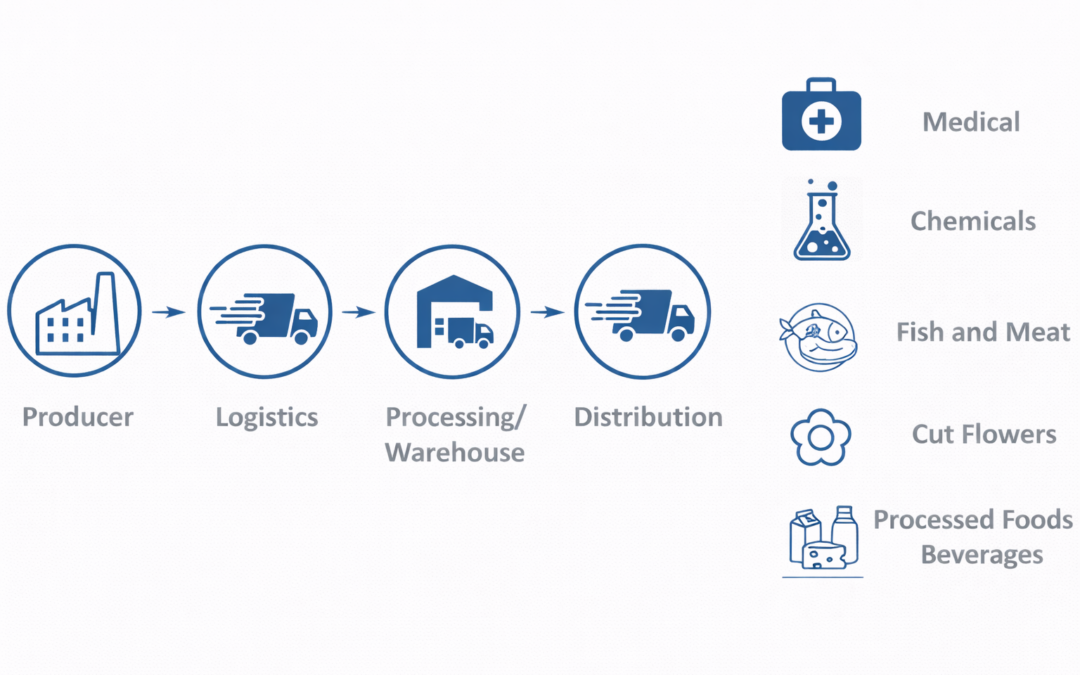
Cold Chain Logistics
Dear Readers,
This week’s blog is about how Cold Chain Logistics becoming an essential part of the modern supply chain solutions to transport more sensitive or vital cargo over great distances through diverse climatic conditions.
Ambimat Electronics, with its experience of over four decades as an ODM of IoT products, wishes to draw the attention of its customers and readers of blog posts towards Cold Chain Logistics.
Introduction
Cold chains are essential to sustain the quality and extend the shelf-life of perishable products, such as seafood, chemicals, frozen foods, and medicinal drugs. The global cold chain logistics market is very vast, valued at USD 159 billion in 2018, and is expected to reach USD 585 billion by 2026. The cold chain has always been a competitive market for logistics providers, made more challenging by a high-capital investment, strict temperature standards, and high energy dependence. Moreover, the cold chain faces issues such as government regulations, maintaining quality standards, and a continuous increase in the number of cold chain items to be transported. Thus, it has become imperative for businesses to look for solutions that can help streamline the cold chain logistics processes and maintain their profits. The use of IoT for cold chain logistics operations can help businesses have complete control over their logistics, ensuring that the mounting pressure of quantity and quality are handled with ease.
Cold Chain Logistics.
The cold chain has three main components, each of which must work flawlessly to ensure the safe transport and storage of cold chain products:
- 1. Temperature-controlled storage — specialized refrigerated facilities where cold chain cargo is stored until it’s shipped out to a distribution center or its destination.
- 2. Temperature-controlled transport — customized insulated cold containers that help transport goods via airways, waterways, roadways, or railways.
- 3. Efficient operational and management procedures — to minimize risk during day-to-day operations as well as contain it in case of unexpected incidents.
The use of IoT for cold chain logistics operations can help businesses have complete control over their cold chain logistics, ensuring that the mounting pressure of quantity and quality are handled with ease. The use of IoT for cold chain logistics can help businesses streamline the logistics process. It can help overcome some of the major challenges currently faced in the cold chain logistics providers by enabling real-time monitoring, providing data insights, and helping businesses make informed decisions quickly. Here’s a look at some of the solutions that IoT brings to cold chain logistics.
Smart Label enables businesses to monitor the temperature of the food items, which is perhaps the most critical parameter in cold chain logistics. Sensors can be used on transportation modes such as trucks, rail cargo, or air cargo to monitor the temperature of the food items.
With a Truck tracking solution, businesses can monitor their shipment 24*7. They can make any changes in the logistics schedule quickly if the chain is moving at a slower pace than planned. This helps reduce the time lost in planning and modifying the schedule when the tracking data is not easily accessible. Stakeholders can coordinate easily with different members of the supply chain and efficiently manage the system.
The Inventory Management Tag or UHF-Tag helps to keep track of products entering and leaving cold storage. The solution comprises tags, readers, and software. It uses a reader to read and write a tagged item, manage the data, and transmit it to a server (local or in the cloud).
Pilferage detection Tag helps to make sure there is no pilferage of material, as the supply chain security system is an essential component in the transportation of goods.
Conclusion
Our Cold Chain Logistics solutions leverage IoT to monitor the location, condition, and integrity of perishable shipments from points of production to consumption. The solution addresses challenges with respect to Temperature Monitoring, Shipment Tracking, and Reduction in Spoilage of Goods. Additionally, the solution creates a transparent and seamless flow of shipment ownership information. All of these lead to a reduction in shipment costs & damages and improved transactional efficiencies resulting in an improved customer experience.
Ambisense delivers end-to-end visibility of perishable products. Our solution addresses challenges related to obtaining visibility into shipment conditions and gains visibility & insights into the asset location, condition & integrity. Ambisense is helping Cold Chain Logistics by solving the major issues currently faced in the sector such as low productivity and high operational costs. The use of IoT for cold chain logistics operations can help businesses have complete control over their logistics, ensuring that the mounting pressure of quantity and quality are handled with ease. Ambisense can help overcome some of the major challenges currently faced in the cold chain logistics providers by enabling real-time monitoring, providing data insights, and helping businesses make informed decisions quickly.
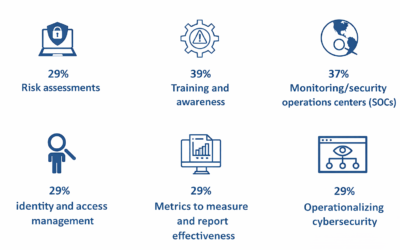
User Adoption of Multi-Factor Authentication
Dear Readers, This week’s blog is about User Adoption of Multi-Factor Authentication. The use of multi-factor authentication is vital, as it ensures that information is only accessed by the intended person, making it harder for cybercriminals to steal. If user data is...
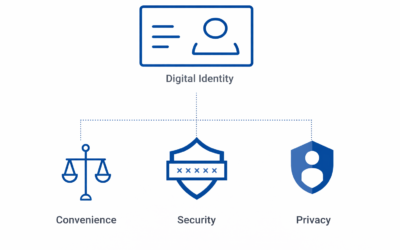
Convenience, security, and privacy are the three pillars of digital identity.
Dear Readers, The three pillars of digital identification are convenience, security, and privacy. Our internet identities are equally as vital as our physical ones in today’s environment. We rely on them for everything from bank account access to social media login....
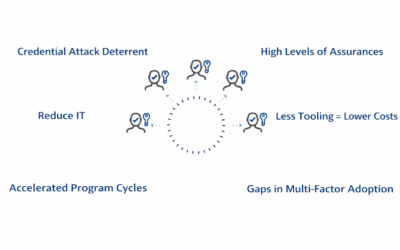
User experience with passwordless authentication edited
Dear Readers, This week’s blog is about User experience with passwordless authentication. Passwords require ongoing management from both users and IT staff. For the average user, keeping track of ever-multiplying passwords of varying complexity is, at minimum, a...
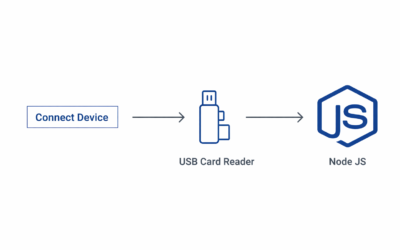
Connect to USB Card Readers with NodeJS
Dear Readers, A really handy thing to be able to do is to control USB devices using JavaScript. This is a powerful capability, made easily possible by NodeJS (better known, simply, as Node). To get Node, go here. Node is an increasingly vital piece...
Compute Card Verification Values (CVV)
Dear Readers, What Does CVV Stand For? CVV stands for card verification value. It’s a three- or four-digit number found on most debit and credit cards. There are several other acronyms for this security feature within the industry. The Purpose of CVVs...
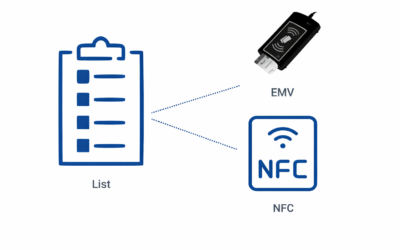
Complete list of EMV & NFC tags
Dear Readers, List of EMV & NFC tags with their description. Note that the same list with extended searching options is implemented in our freeware EFT product. TagNameDescriptionSourceFormatTemplateLength (min)Length (max)P/CExample06Object Identifier...
Recent Comments